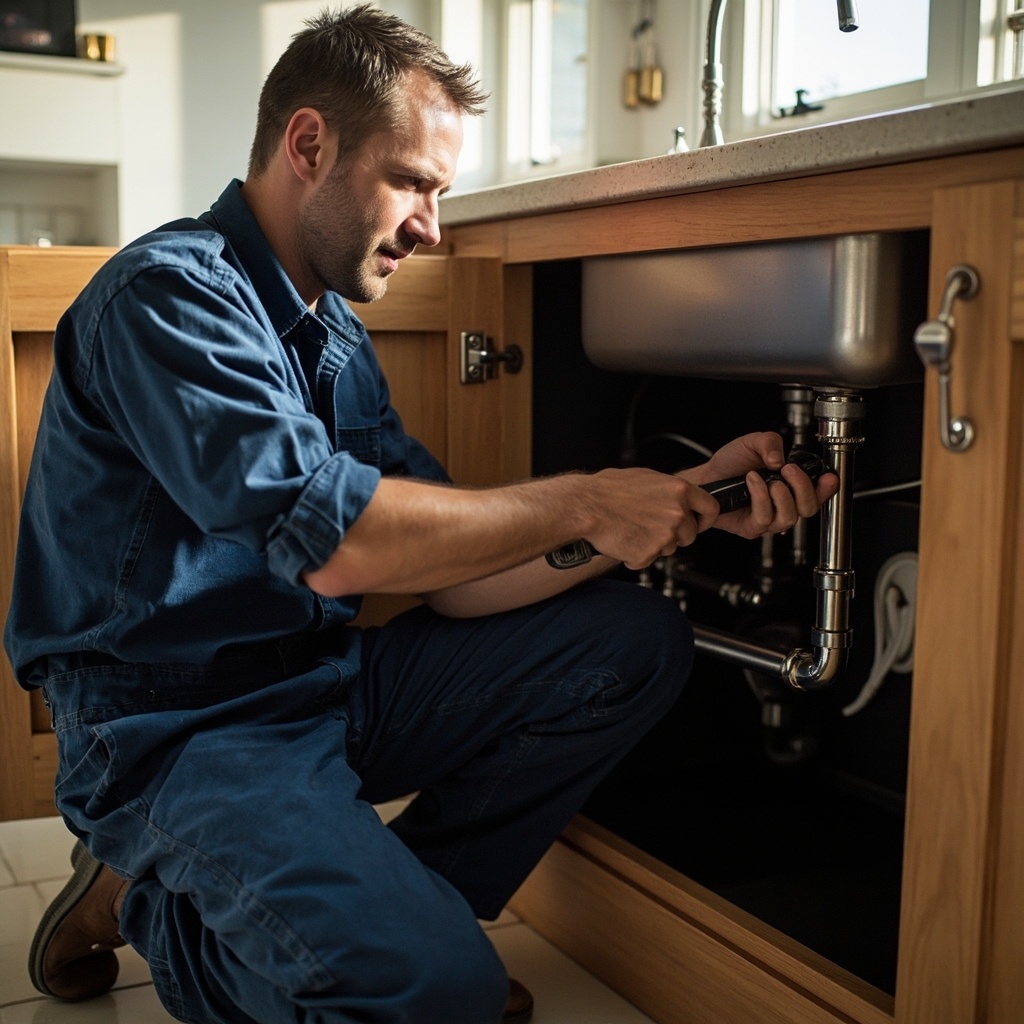
Frozen Pipe Prevention Tips for Kentucky Homeowners
When winter temperatures plummet in Elizabethtown, Kentucky, homeowners face a familiar challenge: protecting their plumbing from freezing conditions. While our humid subtropical climate typically brings mild winters, those occasional cold snaps can catch residents off guard, especially when temperatures drop below freezing for extended periods.
The unique characteristics of Elizabethtown’s housing stock—from mid-20th century homes near Fort Knox to newer suburban developments—create specific vulnerabilities during winter weather. Many local homes feature basements and crawl spaces that can become trouble spots when arctic air moves through central Kentucky. Understanding how to protect your plumbing system before problems arise can save you from costly repairs and the inconvenience of burst pipes.
Whether you’re living in one of the older brick homes that dot the area or a newer frame construction in the suburbs, frozen pipes don’t discriminate. The key is preparation and knowing which prevention strategies work best for your specific situation.
Understanding Your Home’s Vulnerable Areas
Every Elizabethtown home has unique risk factors for frozen pipes, largely depending on the age and construction style of your property. Homes built during the post-war boom years often have plumbing that runs through exterior walls or unheated crawl spaces—two of the most common problem areas during cold weather.
The most vulnerable spots in your home include:
- Pipes in exterior walls, especially those facing north where sunlight provides minimal warming
- Crawl space plumbing that lacks adequate insulation or heating
- Basement areas near foundation walls where cold air can penetrate
- Outdoor spigots and hose bibs that connect directly to interior plumbing
- Pipes in unheated garages or utility rooms attached to the house
If your home was built before modern insulation standards, pay special attention to areas where pipes might be exposed to outside temperatures. Many older Elizabethtown homes have galvanized or cast iron plumbing that may already be compromised by age, making them even more susceptible to freeze damage.
Essential Preparation Steps Before Cold Weather Hits
Taking proactive measures before winter weather arrives is your best defense against frozen pipes. Start your preparation in late fall, well before Elizabethtown’s first freeze warning.
Begin with these critical preparation tasks:
- Disconnect and drain all outdoor hoses to prevent water from backing up into interior pipes
- Shut off water supply valves to outdoor spigots and drain the lines completely
- Insulate exposed pipes in crawl spaces, basements, and exterior walls using foam pipe sleeves
- Seal air leaks around pipes where they enter your home using caulk or expanding foam
- Check your home’s insulation in areas where plumbing lines run, adding more if needed
- Locate your main water shutoff valve so you can act quickly if pipes do freeze and burst
For homes with crawl spaces—common in Elizabethtown’s housing stock—consider installing a crawl space heater or ensuring existing heating sources adequately warm the area. Even maintaining temperatures just above 32°F can prevent freezing.
Daily Actions During Freezing Weather
When the National Weather Service issues freeze warnings for the Elizabethtown area, it’s time to implement your daily protection routine. These simple actions can make the difference between safe pipes and expensive repairs.
During freezing conditions, follow these daily practices:
- Keep cabinet doors open under sinks to allow warm air circulation around pipes
- Allow faucets to drip slowly overnight, especially those on exterior walls
- Maintain consistent indoor temperatures even when you’re away from home
- Keep garage doors closed if water supply lines run through attached garages
- Monitor weather forecasts closely to know when extended freezing periods are expected
- Check vulnerable areas daily for signs of freezing or reduced water flow
The dripping faucet method works because moving water is much less likely to freeze than standing water. You don’t need a heavy flow—just enough movement to prevent ice formation. Focus on faucets connected to pipes in exterior walls or unheated areas.
Recognizing and Responding to Frozen Pipe Warning Signs
Even with prevention measures in place, pipes can still freeze during severe cold snaps. Recognizing the early warning signs allows you to take action before pipes burst and cause significant water damage to your home.
Watch for these common indicators of frozen pipes:
- Reduced water flow or pressure from faucets and fixtures
- No water coming out when you turn on taps
- Unusual sounds like banging or gurgling when using water
- Frost visible on exposed pipes in basements or crawl spaces
- Strange odors coming from drains or faucets
If you suspect frozen pipes, act immediately but safely. Never use open flames, propane heaters, or other fire hazards to thaw pipes. Instead, try these safe DIY approaches:
- Apply heat using a hair dryer to the frozen section, working from the faucet toward the blockage
- Wrap pipes in warm towels soaked in hot water, replacing them as they cool
- Increase ambient temperature in the area using space heaters positioned safely away from water
When to Call The Elizabethtown Plumber
While many frozen pipe situations can be handled with DIY methods, some circumstances require professional intervention. Knowing when to call for help can prevent minor issues from becoming major disasters.
Contact a professional plumber in Elizabethtown immediately if you experience:
- Burst pipes with active leaking requiring immediate shutoff and repair
- Frozen pipes you cannot locate or access safely
- Multiple fixtures affected simultaneously, indicating a main line freeze
- Recurring freezing problems that suggest inadequate insulation or heating
- Electrical concerns when using heating devices near water
Professional plumbers have specialized tools like pipe thawing machines and thermal imaging cameras that can quickly locate and resolve freezing issues without risking damage to your plumbing system. They can also identify underlying problems that make your home more susceptible to future freezing.
Protecting Your Elizabethtown Home This Winter
Frozen pipes don’t have to be an inevitable part of Kentucky winters. With proper preparation, daily attention during cold spells, and quick response when problems arise, you can keep your plumbing flowing smoothly all season long.
Remember that the investment in prevention—whether it’s additional insulation, pipe sleeves, or professional winterization services—is minimal compared to the cost of repairing burst pipes and water damage. Take advantage of mild winter days to check your preparations and make improvements where needed.
Your home’s plumbing system is a significant investment that deserves protection from Elizabethtown’s winter weather. By following these prevention tips and staying vigilant during cold snaps, you’ll keep your family comfortable and your pipes intact throughout the season.
Need professional help with frozen pipe prevention or emergency repairs? Call The Elizabethtown Plumber at (270) 900-5990.
Need Professional Help?
If you're experiencing plumbing issues in Elizabethtown, our licensed plumbers are ready to help.
Call Now: (270) 900-599024/7 Emergency Service Available