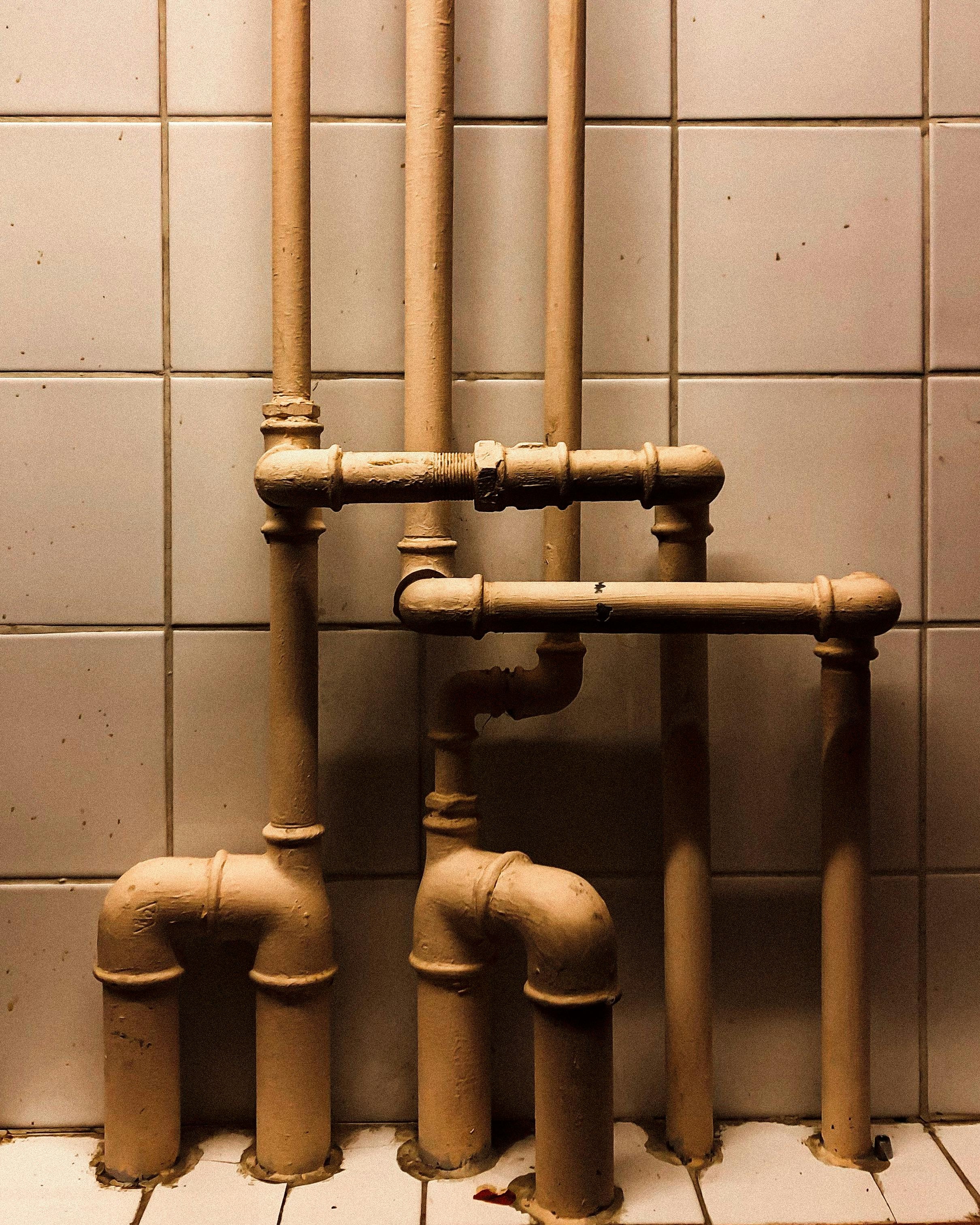
Preventing Common Basement Pipe Problems in Kentucky
Your basement pipes work hard year-round, but Elizabethtown’s unique climate presents specific challenges that can turn minor issues into costly disasters. From the clay soil that retains moisture during our heavy spring storms to the occasional winter freeze that catches homeowners off guard, basement plumbing systems in our area face distinct pressures that require proactive attention.
Whether your home dates back to the Fort Knox boom of the 1940s or you’re living in one of Elizabethtown’s newer developments, understanding how our local conditions affect your basement pipes can save you thousands in water damage and emergency repairs. Let’s explore the most common basement pipe problems in our region and practical steps you can take to prevent them.
Understanding Elizabethtown’s Impact on Basement Plumbing
Elizabethtown’s humid subtropical climate creates a perfect storm of conditions that stress basement plumbing systems. Our moderate to heavy rainfall throughout the year, combined with the area’s clay soil composition, means water doesn’t drain away from foundations as quickly as it should. This creates hydrostatic pressure against basement walls and can lead to moisture infiltration that affects pipes and joints.
The temperature swings we experience—from hot, humid summers to winters with occasional dips below freezing—cause pipes to expand and contract repeatedly. In older Elizabethtown homes built during the mid-20th century growth boom, original cast iron and galvanized pipes are particularly vulnerable to these thermal stresses, developing cracks and weak joints over time.
Additionally, our regional hard water accelerates mineral buildup inside pipes, creating restrictions that increase pressure and contribute to premature wear. When you combine these factors with aging infrastructure, it becomes clear why proactive maintenance is essential for basement pipes in our area.
Combating Moisture and Flooding Issues
Basement flooding ranks as the top plumbing concern for Elizabethtown homeowners, especially during severe thunderstorm seasons. The clay soil common throughout our region doesn’t absorb water efficiently, causing it to pool around foundations and seek entry through any available opening.
Prevention strategies include:
- Install a sump pump system if your basement experiences regular moisture issues during heavy rains
- Maintain proper grading around your foundation to direct water away from the house
- Clean gutters and downspouts regularly to prevent overflow that saturates soil near your basement walls
- Seal basement walls and floors using appropriate waterproofing materials designed for below-grade applications
- Monitor basement humidity levels and use dehumidifiers to keep moisture below 50% year-round
DIY Tip: Check your basement after every heavy rain for signs of moisture intrusion, including water stains, musty odors, or damp spots on walls. Early detection allows for simpler fixes before major flooding occurs.
While minor moisture control measures can be handled by homeowners, significant flooding issues or structural problems require professional assessment. A qualified plumber in Elizabethtown can evaluate your specific situation and recommend appropriate drainage solutions or waterproofing systems.
Protecting Pipes from Winter Freeze Damage
Even though Elizabethtown winters are generally mild, our occasional cold snaps can catch homeowners unprepared, leading to burst pipes and expensive water damage. Basement pipes, particularly those running along exterior walls or in unheated areas, are especially vulnerable during these temperature drops.
Freeze prevention measures:
- Insulate exposed pipes in crawl spaces, along exterior walls, and in unheated basement areas using foam pipe insulation
- Seal air leaks around basement windows, doors, and foundation penetrations that allow cold air to reach pipes
- Maintain consistent heating in basements, even when spaces aren’t regularly occupied
- Know your main water shutoff location and how to operate it in case pipes do freeze and burst
- Open cabinet doors under sinks during extreme cold to allow warm air circulation around pipes
DIY Tip: During forecasted freezing weather, let faucets drip slightly to maintain water movement through pipes. Moving water is much less likely to freeze than stagnant water in pipes.
If pipes do freeze, never use open flames or excessive heat to thaw them. Instead, use a hair dryer or heating pad, working from the faucet back toward the frozen section. However, if you discover a burst pipe or can’t locate the frozen section, immediately shut off your main water supply and contact a professional plumbing service.
Addressing Hard Water and Mineral Buildup
Hard water is a reality throughout the Elizabethtown area, and basement pipes often bear the brunt of mineral accumulation over time. This buildup restricts water flow, increases pressure on pipe joints, and can lead to premature failure of fixtures and appliances.
Managing hard water effects:
- Install a whole-house water softening system to reduce mineral content before water enters your plumbing system
- Flush water heaters annually to remove sediment buildup that reduces efficiency and shortens equipment life
- Clean mineral deposits from visible pipes and fixtures using appropriate descaling solutions
- Monitor water pressure changes that might indicate increasing restrictions from mineral buildup
- Replace old galvanized pipes that are particularly susceptible to mineral accumulation and corrosion
DIY Tip: Test your water hardness annually using inexpensive test strips available at hardware stores. If hardness exceeds 7 grains per gallon, consider water treatment options to protect your plumbing investment.
While homeowners can handle basic maintenance like water heater flushing, significant mineral buildup issues or water softener installation should be handled by experienced professionals who understand local water conditions and appropriate treatment methods.
Maintaining Aging Plumbing Systems
Many Elizabethtown homes feature plumbing systems installed decades ago, when materials and techniques differed significantly from today’s standards. Cast iron drain lines and galvanized supply pipes common in older homes require special attention to prevent catastrophic failures.
Maintenance strategies for older systems:
- Schedule regular professional inspections to identify developing problems before they become emergencies
- Replace galvanized supply lines proactively, as these typically last 40-70 years depending on water conditions
- Monitor cast iron drain pipes for signs of corrosion, including rust stains or unusual odors
- Document your plumbing system layout to help future repairs and maintenance efforts
- Budget for systematic upgrades rather than waiting for emergency replacements
Signs that indicate immediate professional attention is needed include water discoloration, significant pressure drops, recurring drain backups, or visible corrosion on exposed pipes. These issues rarely improve on their own and typically worsen quickly once they begin.
Conclusion
Preventing basement pipe problems in Elizabethtown requires understanding how our local climate, soil conditions, and housing characteristics affect plumbing systems. By taking proactive steps to manage moisture, protect against freezing, address hard water issues, and maintain aging infrastructure, you can avoid most common basement plumbing disasters.
Regular maintenance and early intervention are always more cost-effective than emergency repairs, especially when dealing with basement flooding or burst pipes. While many preventive measures can be handled by homeowners, don’t hesitate to seek professional guidance when problems exceed your comfort level or expertise.
Need professional help? Call The Elizabethtown Plumber at (270) 900-5990
Need Professional Help?
If you're experiencing plumbing issues in Elizabethtown, our licensed plumbers are ready to help.
Call Now: (270) 900-599024/7 Emergency Service Available