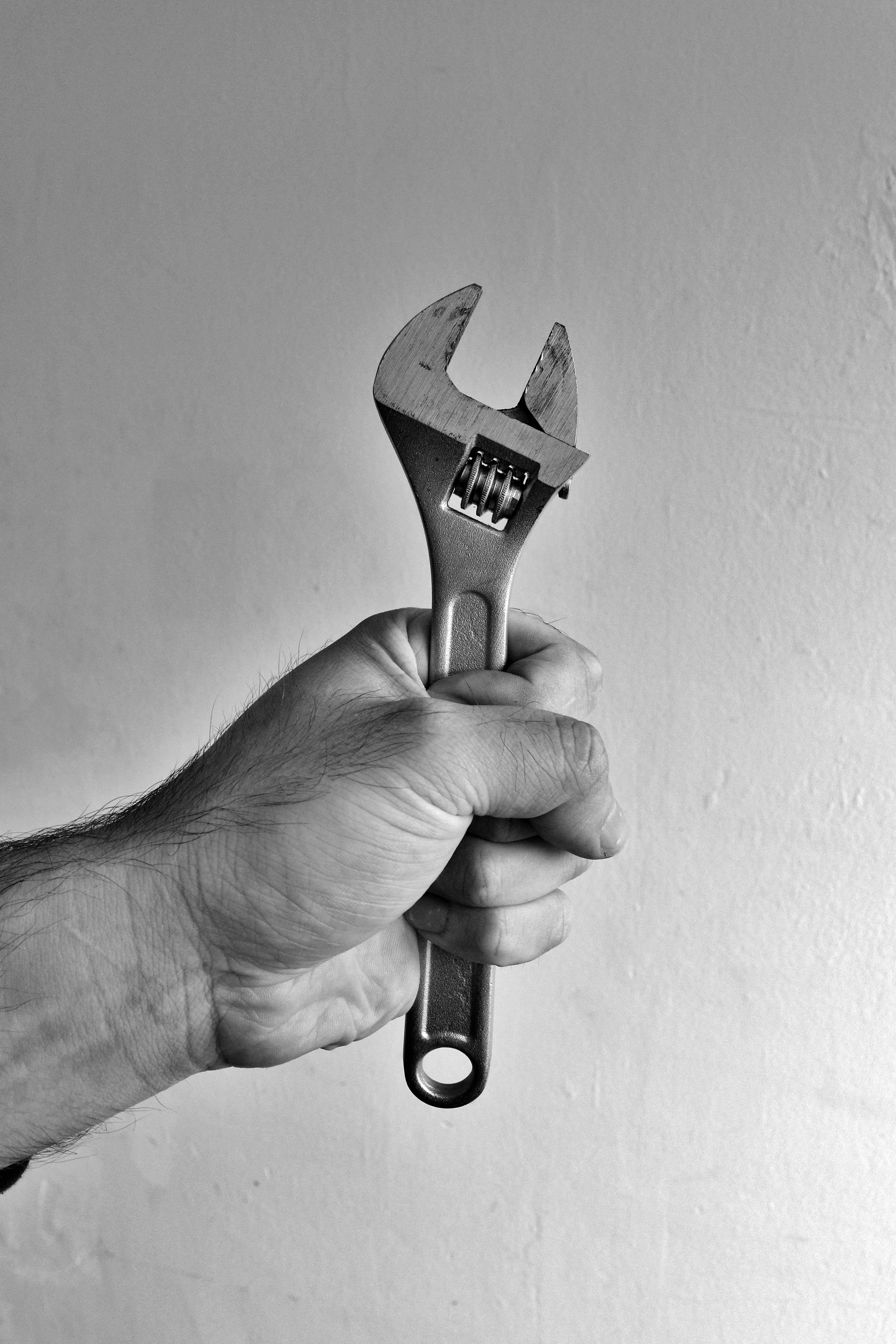
Dealing with Storm Damage to Your Elizabethtown Plumbing
When severe weather strikes Elizabethtown, your plumbing system often bears the brunt of Mother Nature’s fury. From the heavy spring thunderstorms that flood basements to winter cold snaps that freeze pipes in crawl spaces, our Kentucky climate presents unique challenges for homeowners. Whether you live in one of the established neighborhoods near Fort Knox or a newer subdivision, understanding how to protect and repair your plumbing after storm damage can save you thousands of dollars and prevent long-term water damage to your home.
Storm damage to plumbing systems is particularly problematic in Elizabethtown due to our clay soil composition, which doesn’t drain well during heavy rainfall periods. Add in our mix of older mid-20th century homes with aging cast iron pipes and newer developments with modern PEX systems, and you have a recipe for varied plumbing vulnerabilities across our community.
Common Types of Storm Damage to Plumbing Systems
Elizabethtown’s humid subtropical climate creates several recurring plumbing emergencies during storm season. The most frequent issues arise from our area’s tendency toward severe spring and summer thunderstorms, which can dump several inches of rain in just a few hours.
Basement flooding tops the list of storm-related plumbing problems for Elizabethtown homeowners. Our clay soil doesn’t absorb water quickly, causing runoff to overwhelm foundation drainage systems. When basement floor drains back up or foundation walls leak, the resulting water damage can affect water heaters, furnaces, and electrical systems connected to your plumbing.
Frozen and burst pipes become major concerns during winter cold snaps, especially in homes with crawl spaces or poorly insulated exterior walls. The sudden temperature drops we experience can catch homeowners off-guard, leading to expensive pipe replacements and water damage cleanup.
Sewer line backups frequently occur when heavy rains overwhelm the municipal system or when tree roots, common in our established neighborhoods, create blockages that worsen during storms. Raw sewage backing up into basements poses serious health risks and requires immediate professional attention.
Immediate Steps After Storm Damage
Taking quick action after discovering storm damage can minimize the extent of repairs needed and prevent secondary damage like mold growth. Your first priority should always be safety, followed by damage control measures.
Safety first - always turn off electricity to any areas affected by water before entering. If you smell gas or suspect gas line damage, evacuate immediately and call the utility company. Never enter a flooded basement if electrical panels or outlets may be submerged.
For immediate damage control, consider these steps:
- Shut off your main water supply if you suspect pipe damage or notice unexplained water flow
- Document everything with photos for insurance purposes before starting any cleanup
- Remove standing water quickly using pumps, wet vacuums, or buckets to prevent further damage
- Ventilate affected areas immediately by opening windows and running fans to prevent mold growth
- Move valuable items to dry areas and elevate furniture on blocks if possible
DIY Assessment and Minor Repairs
While major storm damage requires professional attention, homeowners can safely handle some assessment and minor repair tasks. Knowing your limits is crucial - when in doubt, call a plumber in Elizabethtown rather than risk making problems worse.
Visual inspection techniques can help you identify the scope of damage:
- Check all visible pipes for cracks, leaks, or disconnected joints in basements and crawl spaces
- Test water pressure at multiple fixtures to identify potential blockages or line damage
- Inspect water heater connections for loose fittings or signs of water damage around the unit
- Look for water stains on walls and ceilings that might indicate hidden pipe damage
Simple repairs you can handle include:
- Tightening loose pipe fittings with appropriate wrenches, but avoid over-tightening
- Replacing damaged supply line hoses to washing machines, dishwashers, and toilets
- Clearing minor drain blockages with plungers or hand augers (avoid chemical cleaners after flooding)
- Insulating exposed pipes in crawl spaces to prevent future freeze damage
When to Call a Professional Plumber
Certain storm damage situations require the expertise of an experienced Elizabethtown plumber. Attempting complex repairs without proper knowledge and tools often leads to more expensive problems down the road.
Immediate professional help needed for these situations:
- Any suspected sewer line damage or raw sewage backup requires specialized equipment and safety protocols
- Gas line issues must be handled by licensed professionals due to safety risks
- Major pipe replacements in older Elizabethtown homes often involve updating to current codes
- Water heater damage involving gas connections, electrical components, or tank replacement
- Foundation-related plumbing issues that may affect your home’s structural integrity
Professional assessment recommended when you notice:
- Persistent low water pressure after clearing visible blockages
- Discolored or foul-smelling water which may indicate contamination or pipe corrosion
- Unusual sounds in pipes like hammering, gurgling, or whistling
- Recurring drain backups that suggest deeper sewer line problems
Remember that many homeowner’s insurance policies have strict timelines for reporting water damage claims, so professional documentation of storm damage can be crucial for coverage.
Prevention and Preparation for Future Storms
Given Elizabethtown’s predictable weather patterns, taking preventive measures can significantly reduce your risk of storm-related plumbing damage. An ounce of prevention truly is worth a pound of cure when it comes to plumbing emergencies.
Seasonal preparation steps include:
- Inspect and clean gutters regularly to ensure proper drainage away from your foundation
- Test your sump pump before storm season by pouring water into the pit to verify operation
- Insulate pipes in crawl spaces and exterior walls before winter weather arrives
- Trim tree roots near sewer lines to prevent blockages during heavy rains
- Know your main water shutoff location and ensure all family members can operate it
Emergency preparedness measures:
- Keep basic plumbing tools accessible including pipe wrenches, plungers, and flashlights
- Store emergency contact information for utility companies and plumbing services
- Maintain a supply of emergency materials like pipe tape, bucket, and tarps
- Document your plumbing system with photos for insurance and repair reference
Protecting Your Elizabethtown Home
Storm damage to your plumbing doesn’t have to become a catastrophe with proper preparation and quick response. By understanding the unique challenges our Kentucky climate presents and knowing when to tackle repairs yourself versus calling for help, you can protect your home and family from the worst effects of severe weather.
Regular maintenance, seasonal preparations, and prompt attention to storm damage will keep your plumbing system functioning reliably for years to come. Don’t let minor issues become major expenses - address problems quickly and don’t hesitate to seek professional help when needed.
Need professional help with storm damage to your plumbing system? Call The Elizabethtown Plumber at (270) 900-5990 for expert assessment and reliable repairs.
Need Professional Help?
If you're experiencing plumbing issues in Elizabethtown, our licensed plumbers are ready to help.
Call Now: (270) 900-599024/7 Emergency Service Available